Life onboard National Geographic’s Endeavor II with our Operations Manager, Jordan Pyers
Who would enjoy a Galapagos cruise?
Families and couples alike. We’ve sent adventurous honeymooners, solo travelers, and families – though many ships require 5+ onboard.
*All photos were taken during my trip. The Galápagos are really this incredible.
The Galápagos has been on my list for as long as I can remember. As someone who has always loved animals and being outdoors, it felt like one of those places you experience at least once — not just because it’s beautiful, but because it’s truly unlike anywhere else.
My recent expedition through the Galápagos Islands aboard the National Geographic Endeavour II wasn’t simply a trip; it was an immersion into one of the most extraordinary ecosystems on Earth, where wildlife exists without fear, landscapes feel untouched, and each day unfolds according to nature rather than a schedule.
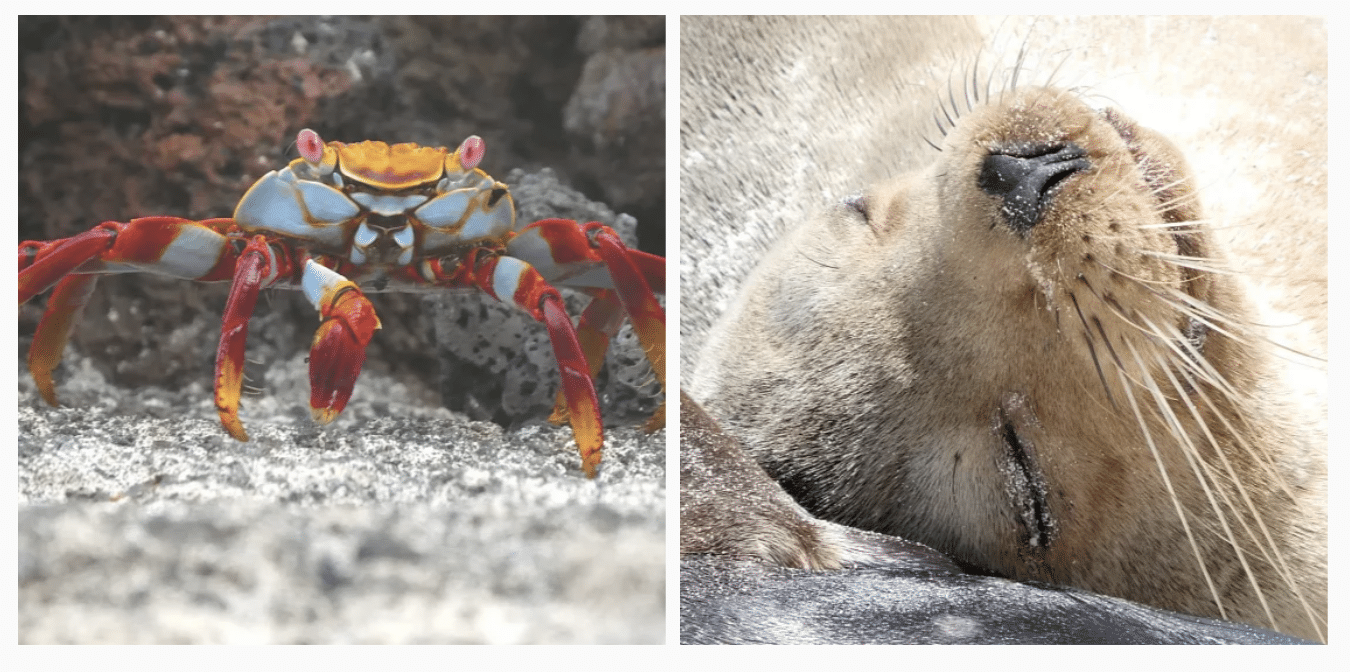
From the moment we arrived on San Cristóbal Island, it felt different. Sea lions stretched out along the waterfront without a care in the world, frigatebirds circled overhead, and volcanic cliffs surrounded us. It quickly became clear that the Galápagos operates on its own terms — and we were simply visitors here.
Expedition Travel, Reimagined
The Galápagos is not experienced through traditional tourism.
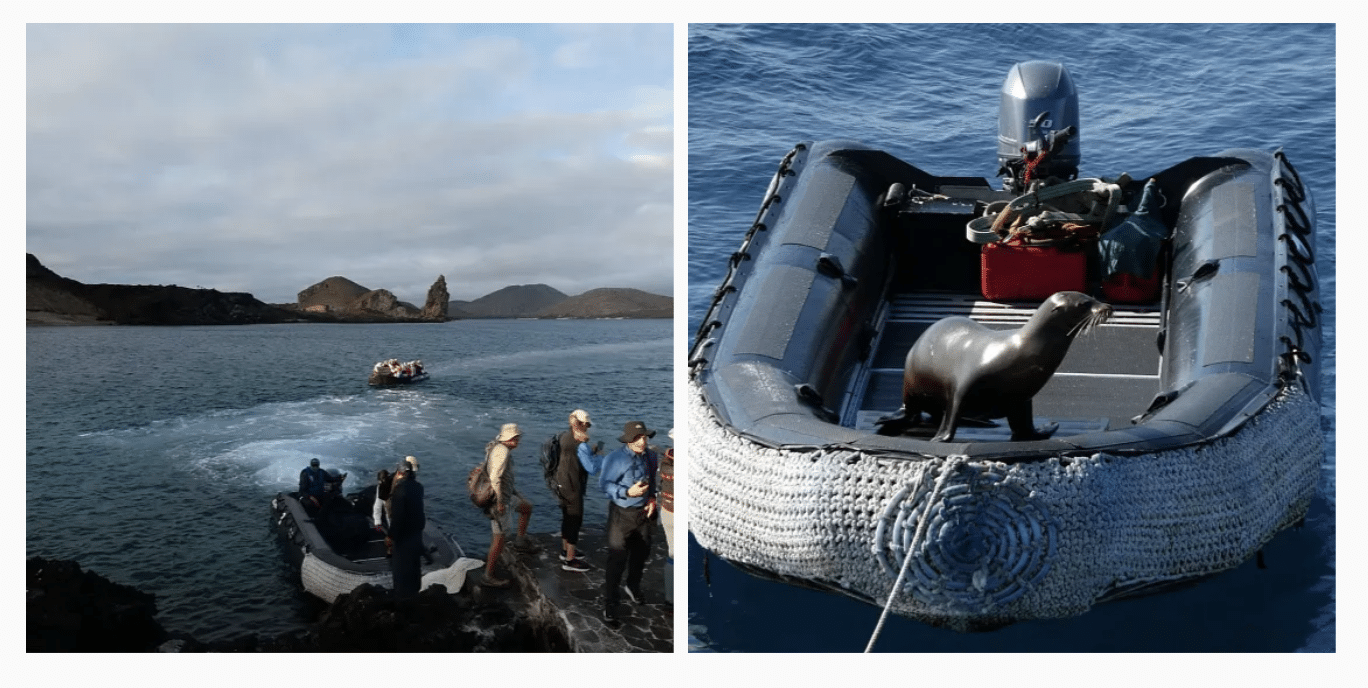
There are no crowded sightseeing buses or packed observation decks. Expedition travel here is intentionally structured and highly regulated — in fact, no one is allowed to step foot on the Galápagos Islands without a certified naturalist or guide. It’s all designed to protect the ecosystem and ensure tourism doesn’t negatively impact the islands. To reach each landing site or activity, we split into small groups and traveled by Zodiac, which kept the experience intimate and low-impact.
Each day followed a similar rhythm:
- Breakfast — the food was consistently excellent and the service impeccable
- Morning briefing to review the day’s activities and logistics
- Half the group would head out for a hike or walk, while the other half participated in water activities such as snorkeling, kayaking, paddle boarding, or exploring by glass-bottom boat
- Lunch back onboard
- Naturalist presentations covering marine life, wildlife, ecosystems, geology, and the history of the islands
- Afternoon land or water activity, depending on what you didn’t participate in earlier in the day
- Cocktail hour and briefing for the next day’s adventures
- Dinner
- A movie or other evening activity to close out the day
To be honest, as a fellow Type A person, I was impressed. Every detail was thoughtfully planned and seamlessly executed — from dining to snorkeling to cocktail hour on deck. There was a clear system behind everything, and it worked. It made the entire experience more enjoyable knowing I could truly relax, focus on being present, and not think about logistics.
Life Aboard the Endeavour II
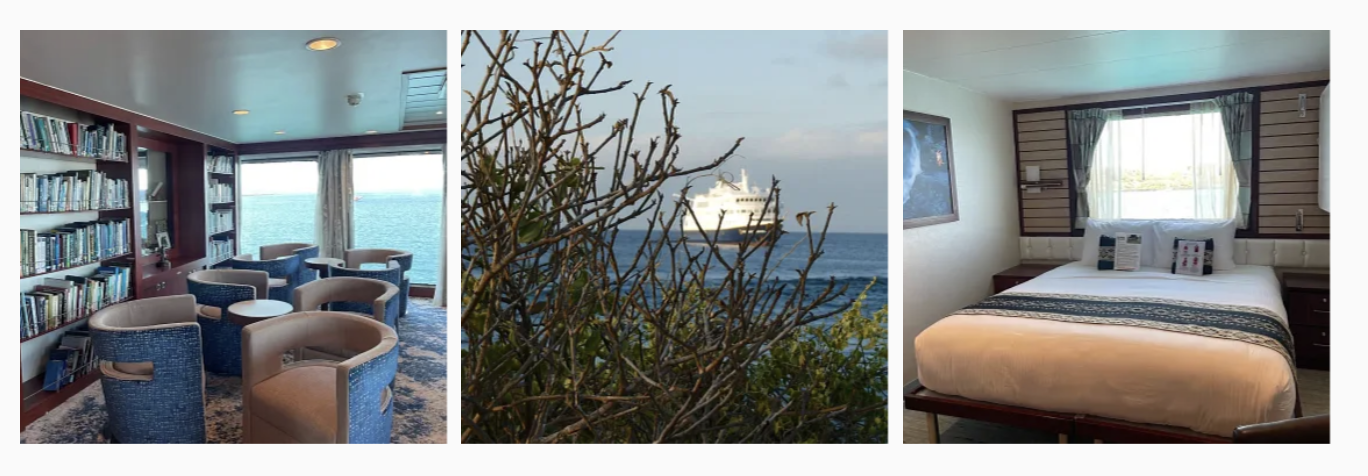
For someone who typically refuses to go on cruises, I genuinely loved this ship and felt right at home.
The rooms were surprisingly spacious, with plenty of storage, a large bathroom, and extremely comfortable beds. The ship never felt crowded or too small — but it was intimate enough that you really got to know the other guests and connect with people from all over the world.
It also had everything we needed. There was a well-stocked library filled with books on wildlife, history, and conservation, a large galley with snacks and beverages available throughout the day, an onboard infirmary, a top deck lounge perfect for relaxing in the sun, and plenty of quiet corners to work or read.
Española Island: Walking Among Evolution
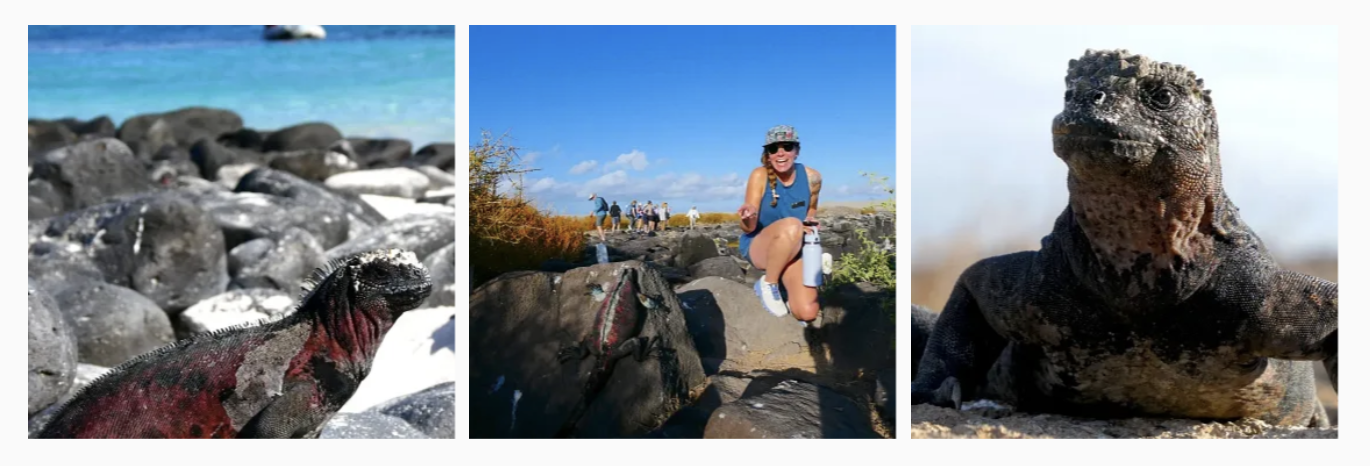
Our first full day brought us to Española Island, one of the oldest in the archipelago and one of the richest for wildlife encounters.
The island felt completely alive, covered in marine iguanas sprawled across lava rocks, real-life baby Godzillas soaking up the sun. We followed our guide on a hike across the island, passing hundreds of seabirds going about their day: blue-footed boobies, albatrosses, finches, and many more. It also happened to be sea lion pupping season, so the beaches were filled with tiny pups, napping, playing, and occasionally causing a bit of chaos of their own.
At Punta Suárez, the hiking trail followed dramatic cliffs where hundreds of seabirds nested side by side. It was incredible to see so much wildlife thriving completely undisturbed — something I had never experienced before.
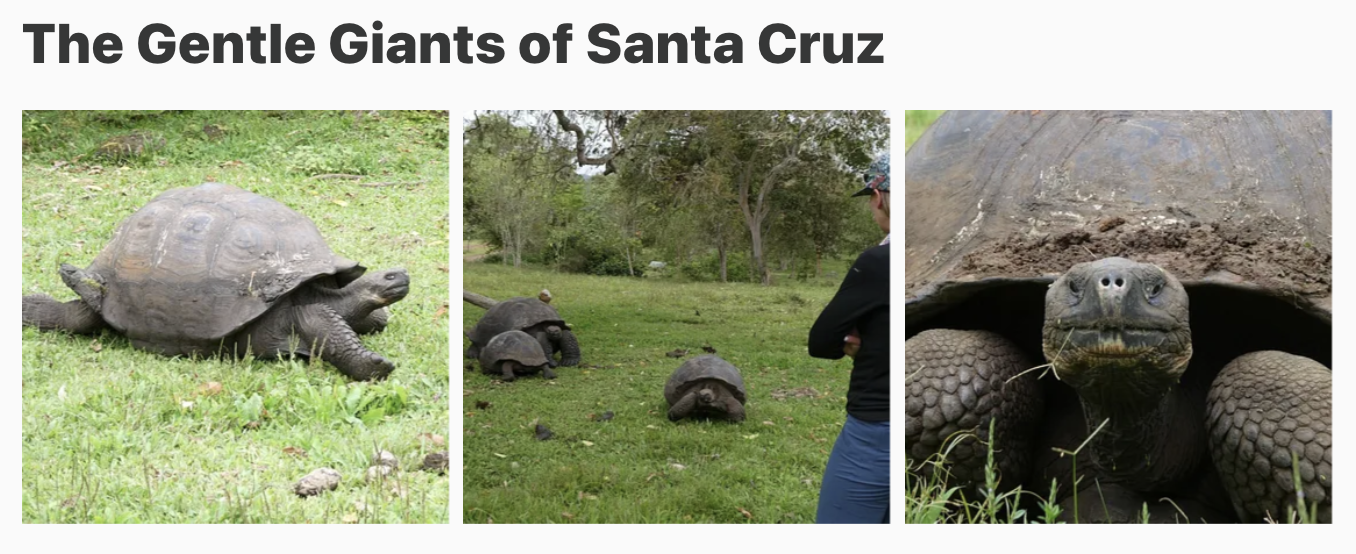
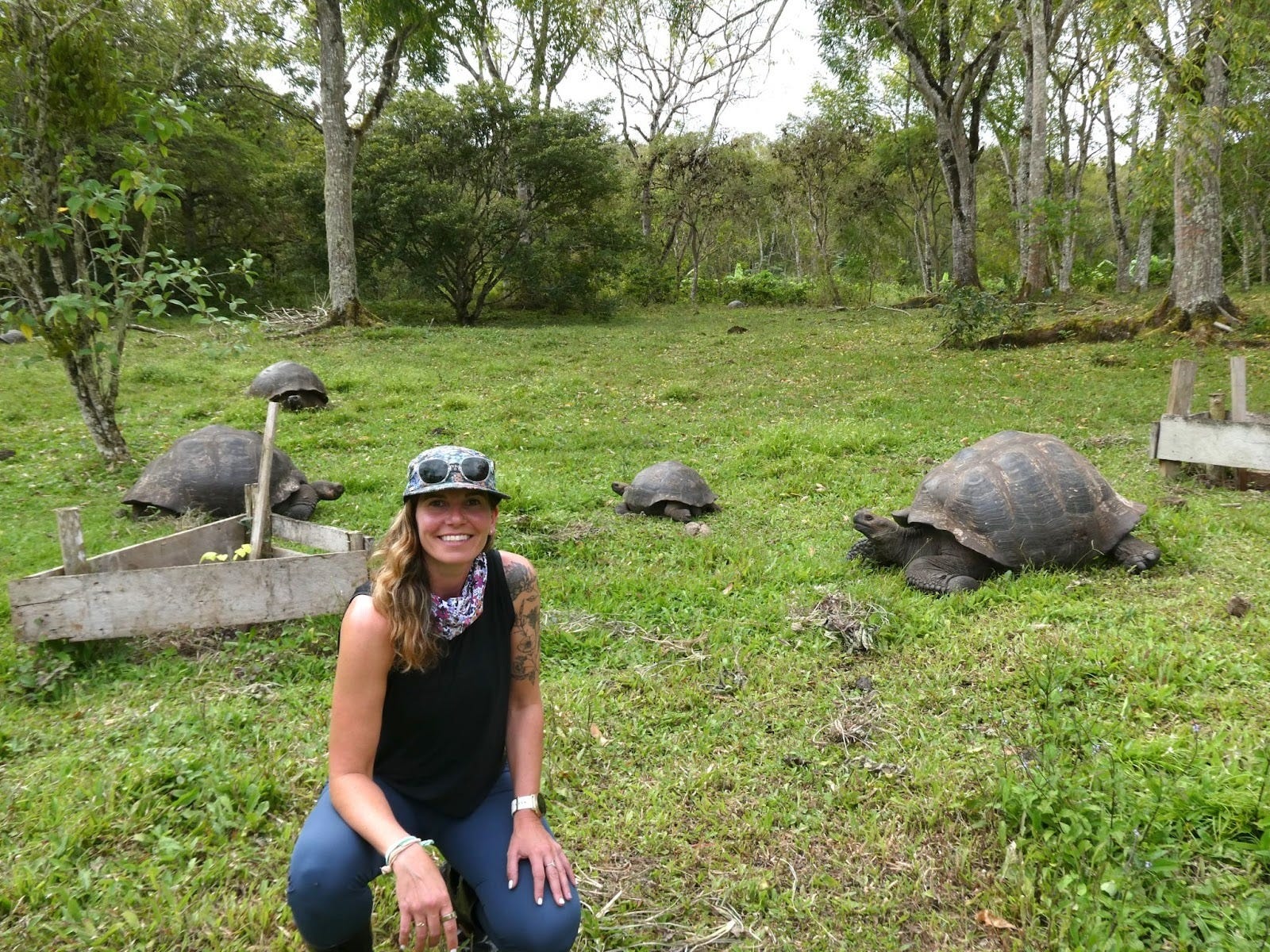
This was the day I had been looking forward to most — giant tortoise day.
We shifted from our usual island landings and headed to Santa Cruz Island, where we had the chance to explore the town, visit the giant tortoises, and choose an afternoon activity (I opted for a visit to a local hydroponic farm, which was such a unique perspective on island life).
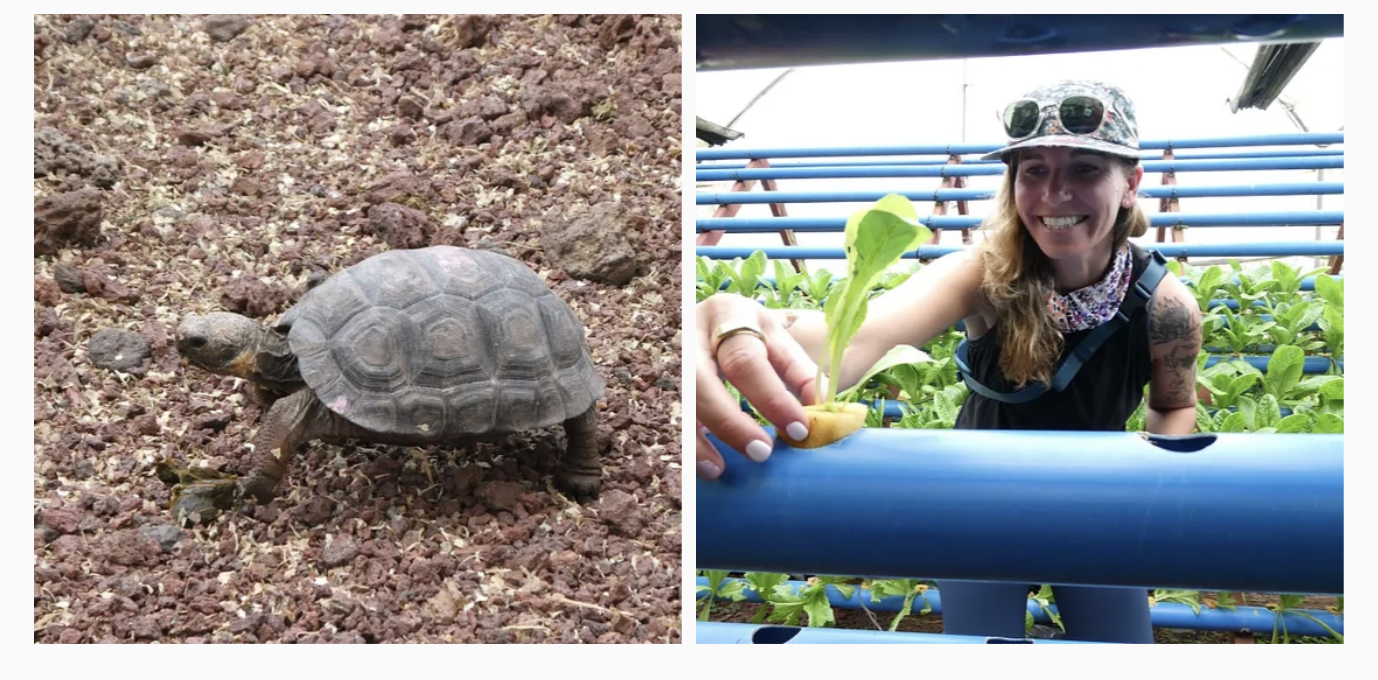
At the Charles Darwin Research Station, we learned more about the conservation work happening behind the scenes. Scientists are working tirelessly to protect giant tortoises and restore fragile ecosystems impacted by invasive species. We were able to see the adult tortoises up close, along with tiny hatchlings that will eventually be released into the wild once they’re large enough to survive on their own. Seeing that full life cycle in action was incredibly special.
Later that afternoon, in the misty highlands, we encountered giant tortoises roaming freely in their natural habitat. It was surreal driving through town and seeing these massive animals slowly wandering along while locals simply went about their day. Photos truly don’t do them justice — their size is hard to comprehend until you’re standing right beside one. They were absolutely massive and completely breathtaking.
Our last stop of the day was a visit to a local hydroponic farm, where the farmer walked us through his growing process and even had us help plant the next batch of lettuce. Over the years, he’s expanded his operation to supply both our ship and several local restaurants with organic produce. It was incredibly interesting to learn about firsthand — and even better to get our hands a little dirty and be part of it.
Santa Cruz Island: “Cerro Dragón”
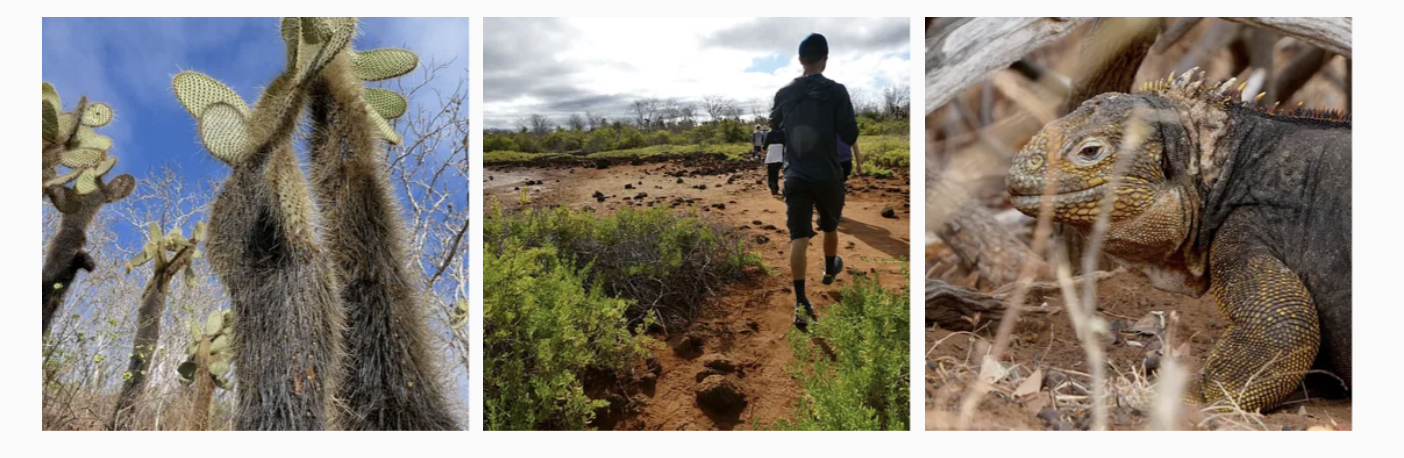
We woke up off the northwestern coast of Santa Cruz Island, anchored near Cerro Dragón — or “Dragon Hill.” The name comes from the Galápagos land iguanas that call this area home. Decades ago, their population was nearly wiped out by feral dogs, but thanks to long-term conservation efforts and breeding programs, they’ve made a remarkable recovery. Walking the trail and seeing these bright yellow reptiles thriving again in their natural habitat was a powerful reminder of how much intentional conservation can accomplish.
Later that afternoon, we visited Daphne Major Islet, where we had the option to kayak or try stand-up paddle boarding. We chose kayaking and ended up paddling alongside hundreds of sea turtles and playful sea lions that call the area home — easily one of the most memorable moments of the trip.
Volcanoes, Penguins, and Impossible Contrasts
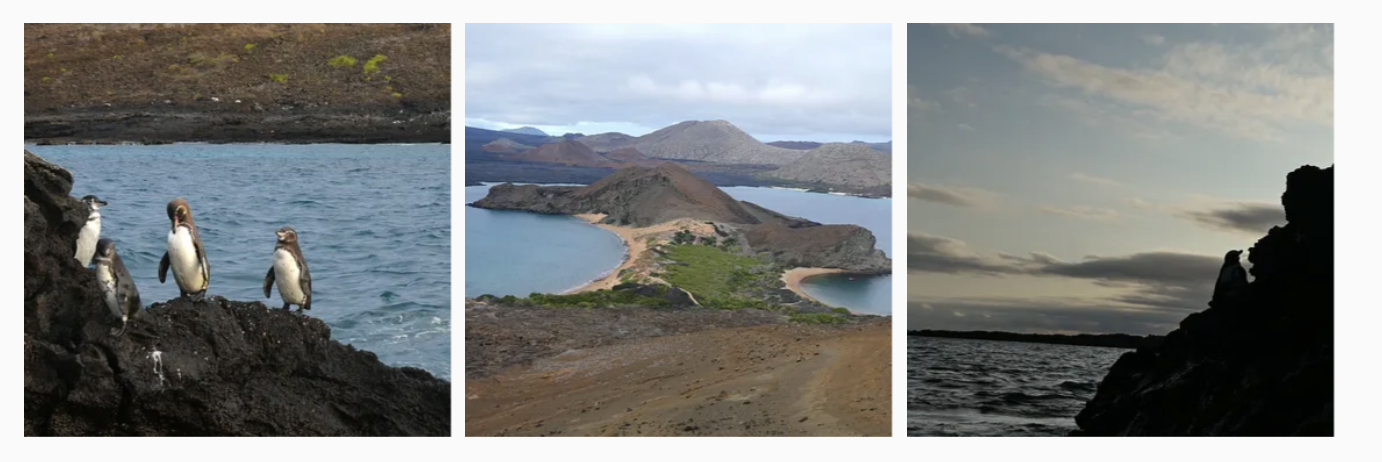
Bartolomé Island may be one of the most photographed places in the archipelago, and climbing its staircase at sunrise made it easy to understand why. The landscape was stunning and almost surreal — stark, lava-like terrain on one side and lush greenery on the other.
Later, snorkeling near Sombrero Chino brought one of the biggest surprises of the week: Galápagos penguins darting through the water and swimming right alongside us. It was such a cool experience. That afternoon, we headed back out on the Zodiacs for a bit of penguin spotting and came across a small group playing alongside a sea lion — one of those moments you almost couldn’t believe was real.
Genovesa: The Sound of a Living Island
The next day brought us to Genovesa Island, often called “Bird Island.”
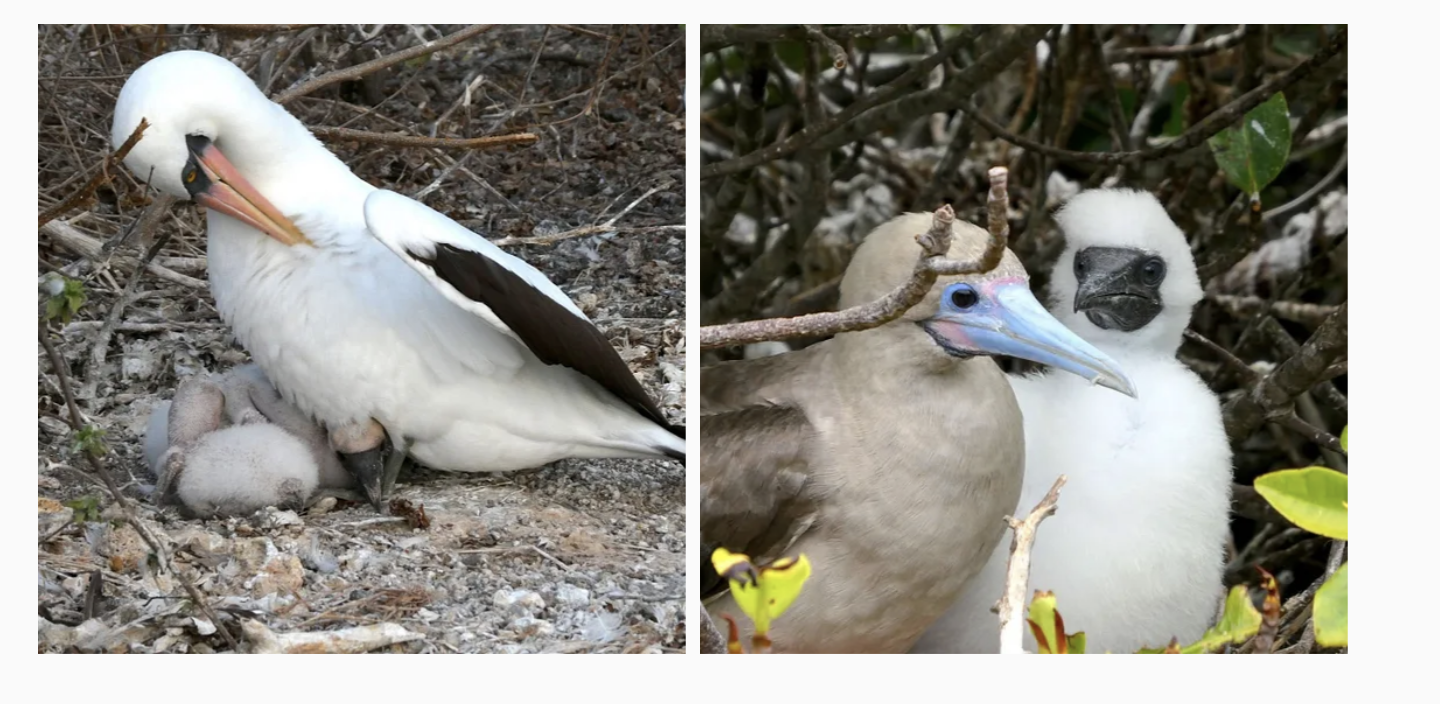
I wouldn’t normally describe myself as a bird lover, but after this experience, I might have to reconsider. I was completely in awe of the red-footed boobies — which, until this trip, I didn’t even know existed and are (in my opinion) far prettier than the blue-footed variety. Everywhere you looked, trees and rocky cliffs were filled with birds and their chicks, creating a constant hum of activity that was fascinating to watch.
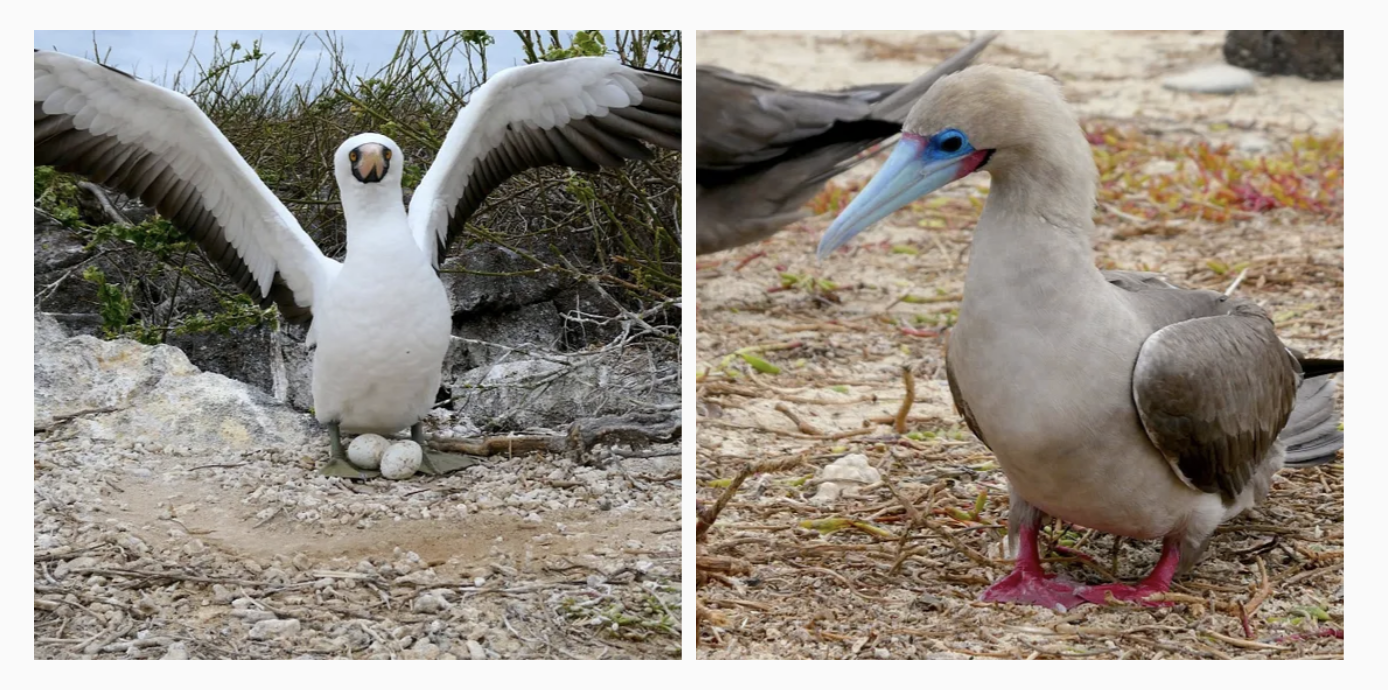
Frigatebirds and their chicks surrounded us, while red-footed boobies nested in low trees nearby. Juveniles ran about collecting small sticks, attempting to build their own nests, completely unfazed by our presence. It was easily one of the most incredible experiences of the trip — being so close and fully immersed in their world, watching how they lived and interacted with each other in such a natural way.
Floreana: Stories Written by Travelers
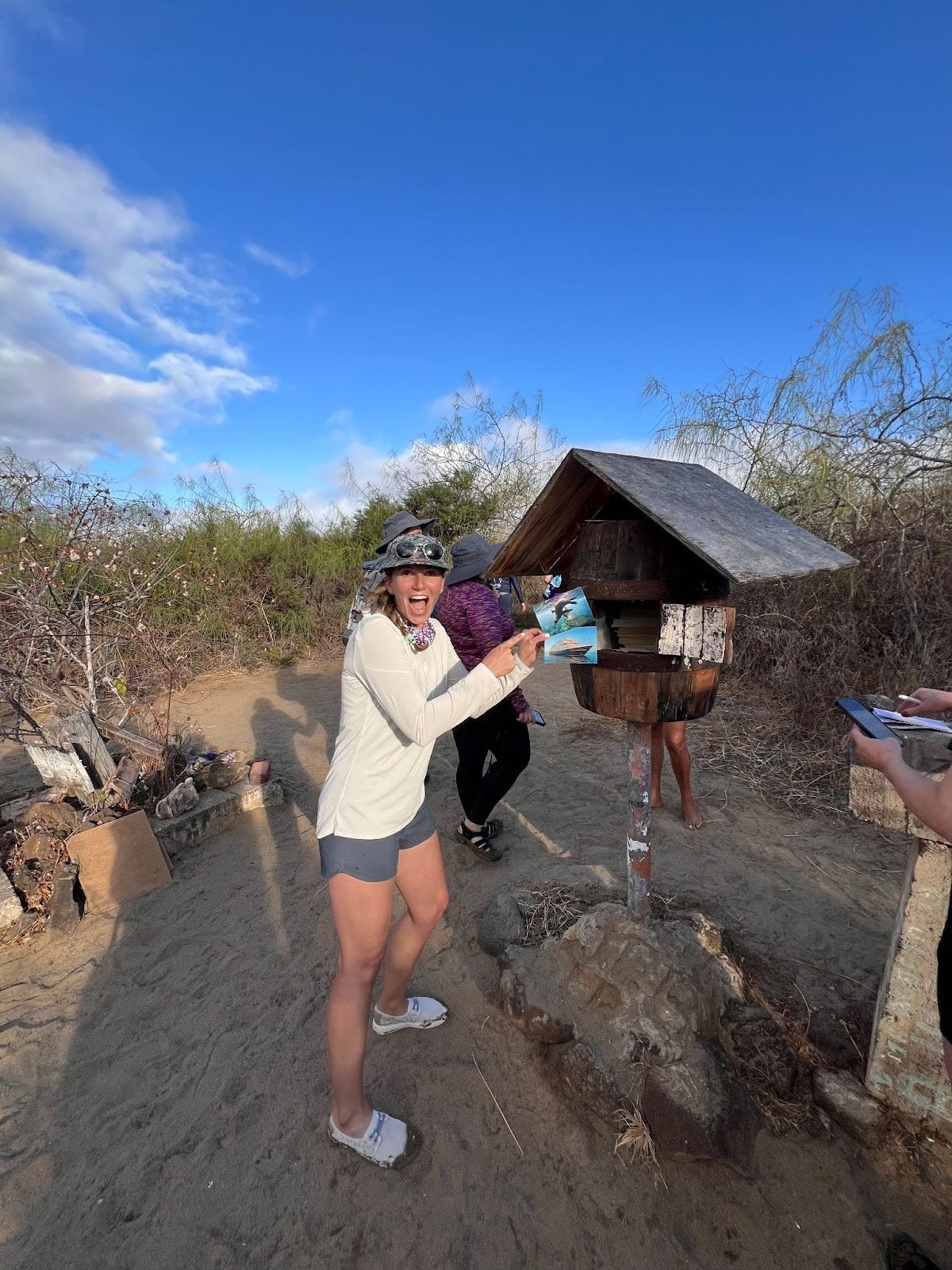
On our final full day, we visited Floreana Island, home to one of the oldest — and most interesting — traditions in the Galápagos.
That morning, we snorkeled near Champion Islet, surrounded by curious sea lions swimming alongside us with an almost puppy-like energy, coming within just feet for a closer look. We spotted an incredible amount of marine life, including large sea stars, green turtles, blacktip reef sharks, and thousands of colorful fish species found only in these islands.
After lunch, we headed out for our final excursion. Taking the Zodiac ashore, we visited the historic Post Office Barrel. Dating back to the eighteenth century, sailors once left letters here in the hope that passing ships would carry them home. Today, visitors continue the tradition by leaving unstamped postcards, simply addressed, for other travelers to pick up and hand-deliver somewhere in the world.
In fact, just last month, my very confused parents called to tell me that someone had shown up at their house to hand-deliver the postcard I had left for them in the Galápagos. Aside from the shock of someone traveling all the way to rural Connecticut to deliver it, they absolutely loved the surprise — and honestly, it might have been my favorite souvenir from the trip.
Considering the Galápagos?

Overall I would give the Galápagos Islands and the National Geographic Endeavour II a 15/10! It was overall such a magical experience, completely seamless and worry free.
The National Geographic team did an incredible job tailoring the experience to everyone onboard, offering multiple activity options and variations for those who couldn’t climb stairs or walk long distances. They were thoughtful about making sure every guest could still experience the wildlife and fully participate in the trip, regardless of mobility level. It really made a difference in ensuring everyone had an amazing experience.
I just want to emphasize that this barely scratches the surface of everything we experienced during the trip; these were only a few of the highlights each day.
My Advice
If the islands have ever crossed your mind, my advice is simple:
Go thoughtfully – Choose an expedition experience led by expert naturalists and rooted in conservation. The difference between visiting the Galápagos and truly understanding it, lies in how you explore it.